
Everyone sells the deal.
I ask if it runs without you.
Popular business advice, broken down with the layer it usually skips. Not whether you can buy it or grow it, but whether the thing can actually operate once you step away. From an operator's chair.
Latest breakdowns
Full breakdowns you can read and watch. New episodes and short cuts drop on YouTube, Instagram, and TikTok.
 6:20
6:20
Tobi Lütke is right. Every decision still runs through you
Tobi Lütke says Shopify makes millions of decisions a day. He is right, and he skips that in a small business every one of them still runs through the owner. The operator layer: who decides your ten most asked questions, a name on every number, a bar for proposals, and why your oldest rules exist.
Watch the breakdown → 7:01
7:01
Andrew Wilkinson is right. Your niche is in your last 20 jobs
Andrew Wilkinson says go and find a pond with no competition. He is right that the pond decides your margin, and he skips that you cannot move ponds. The operator layer: the niche inside your last twenty jobs, the buyer’s math, what a customer costs you, and the one number a new hire owns.
Watch the breakdown → 7:06
7:06
Rory Sutherland is right that cheap looks suspicious, and he skips what happens after the sale
Rory Sutherland says cheap strawberries make people suspicious, and that sometimes you have to make a thing more expensive before anyone will trust it. He is right, and he is describing a shelf while you are quoting a job. Five things he gets right about perceived value, put to work in a small business.
Watch the breakdown → 6:20
6:20
Chris Voss is right that everything is a negotiation, and he skips the number you walk in with
Chris Voss says that’s right is the moment a negotiation turns. He is right, and he skips the number you walk in with. The operator layer: count the loss both ways, write the policy that says no for you, ask three questions before you answer, and put the lines by the phone.
Watch the breakdown → 7:06
7:06
Seth Godin is right that the landlord decides, and he skips the number that tells you
Seth Godin says the shops that succeed give 95 percent of their profit to the landlord and the ones that fail give 102. He is right that occupancy cost decides it, and he skips that it is a number you can read this month. The operator layer: read the number, leave the spent money off the page, name the leading number, write it down, and pick the smallest audience.
Watch the breakdown →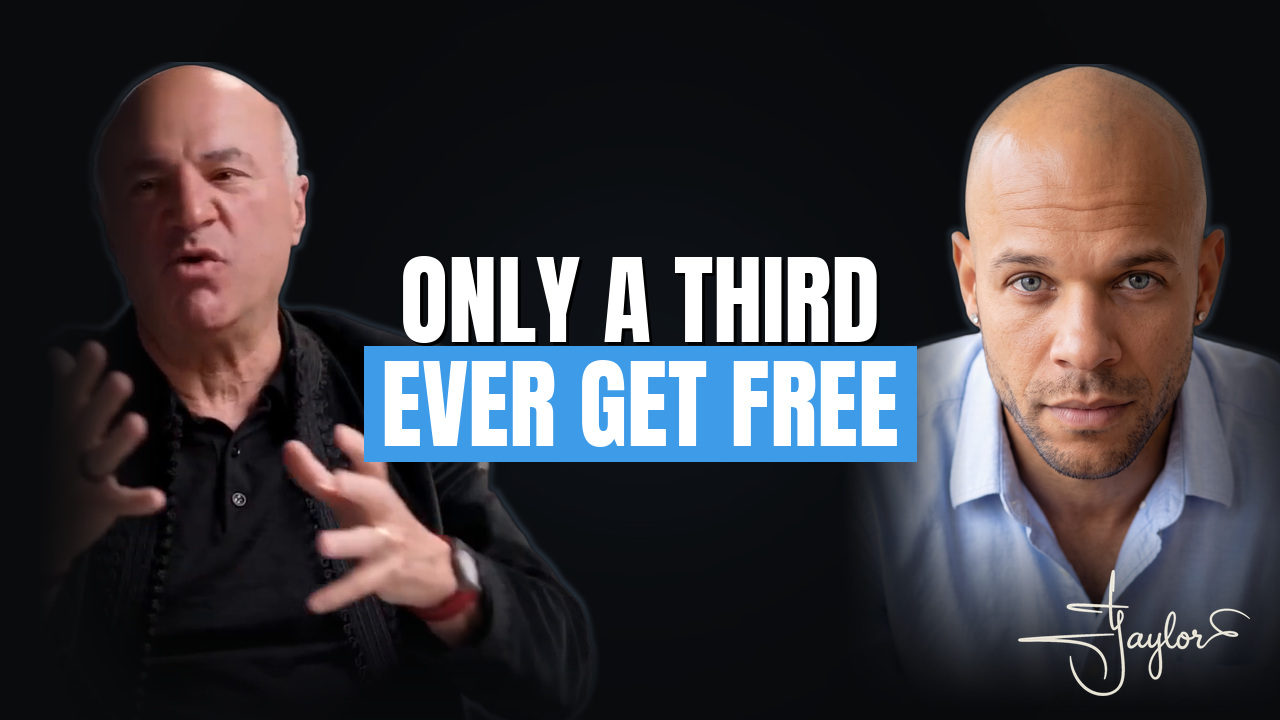 6:31
6:31
Kevin O’Leary is right that only a third get free, and he skips who actually does
Kevin O’Leary says only a third of people can become successful entrepreneurs and the rest will never be free. He is right about the destination and wrong about who reaches it, because most owners who did start a business bought themselves a job. The operator layer: make the failure survivable, put the filter in the business, write the seat, and ask the three questions.
Watch the breakdown →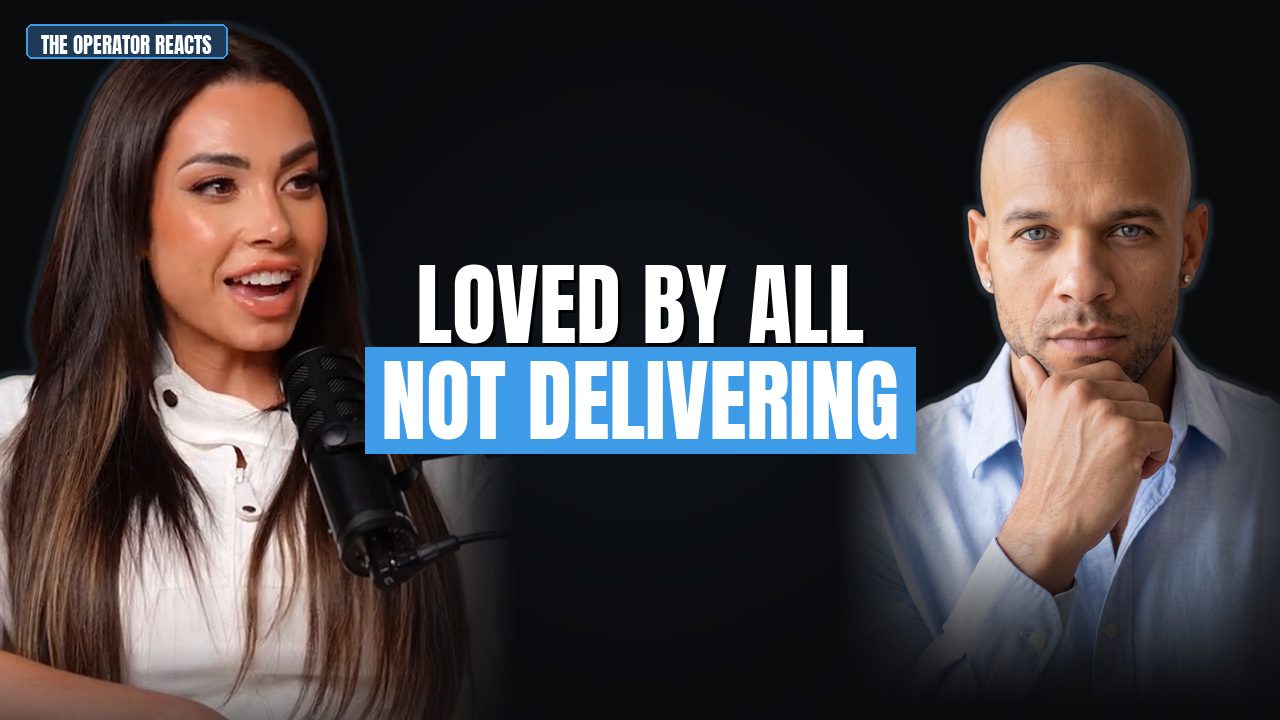 5:56
5:56
Leila Hormozi is right about the employee everyone loves, and she skips how you prove it
Leila Hormozi names the employee every owner protects, loved by everyone and not delivering, and she is right that it is the right person in the wrong seat. Then she never shows the map. The operator layer: an accountability chart, a seat scorecard, a ninety day review, and keep, move or exit. Loyalty is a feeling. A seat is paperwork.
Watch the breakdown →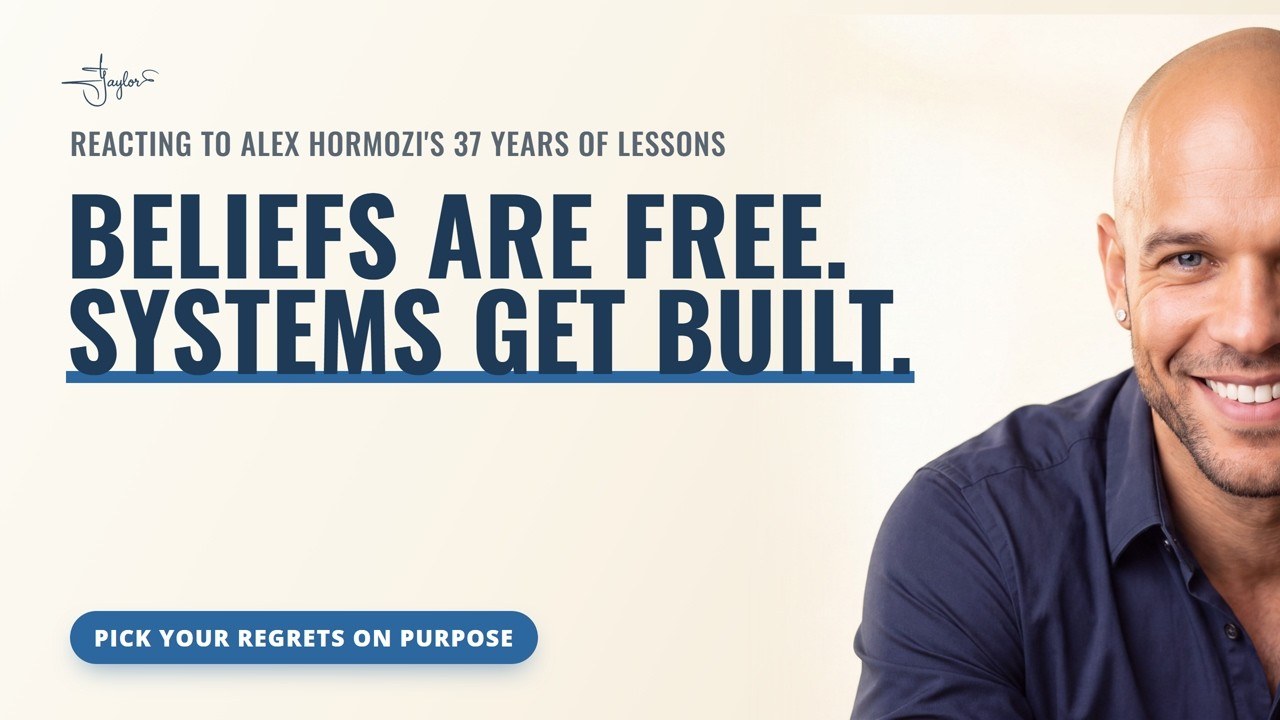 5:43
5:43
Hormozi is right about picking your regrets, and he skips the machine that picks for most owners
Alex Hormozi says you get to pick your regrets or they get chosen for you. He is right, and he skips that in a company the calendar, the org chart and the cash do the picking. The install list: a One Way Door Log, a One Priority Card, a One Number Scoreboard and a Calendar Ledger.
Watch the breakdown →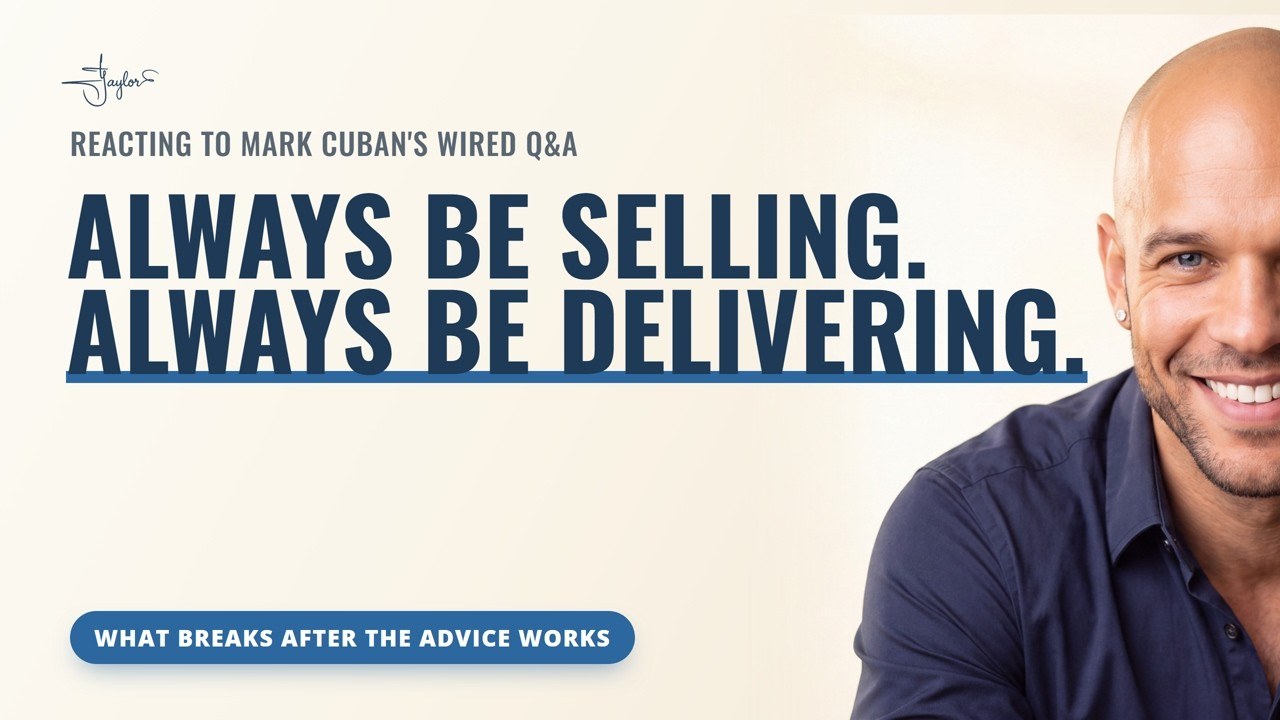 5:42
5:42
Mark Cuban is right that sales cures everything, and he skips what breaks next
Mark Cuban says everything always goes back to sales. He is right, and he skips what breaks the moment sales work. The operator layer: stress test delivery, run the Walkaway Test, forecast thirteen weeks of cash, and price before you pitch.
Watch the breakdown →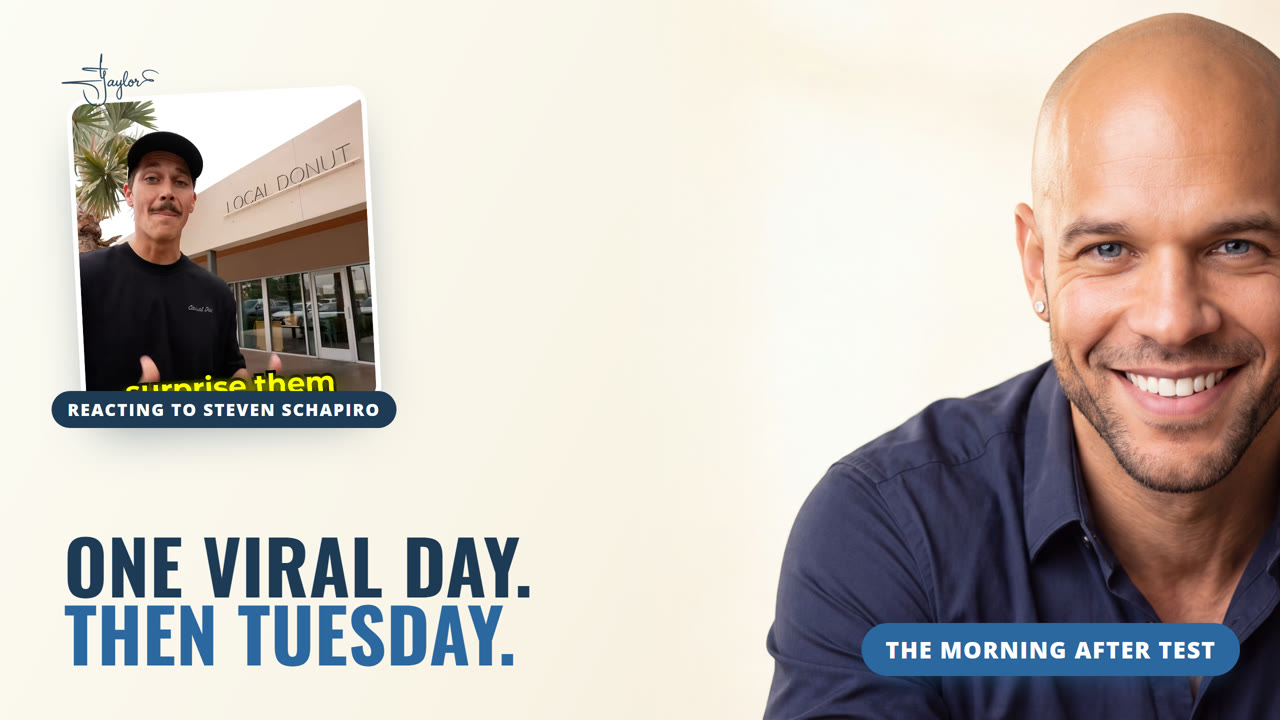 5:17
5:17
He is right that marketing was the problem, and the morning after is the test
Steven Schapiro found a Scottsdale donut shop with four point seven stars and no line, bought every donut, and handed the town a crowd. He is right that marketing was the problem. The operator layer: a viral day is a gift, the morning after is the test, and four installs keep the room full after the spike fades.
Watch the breakdown →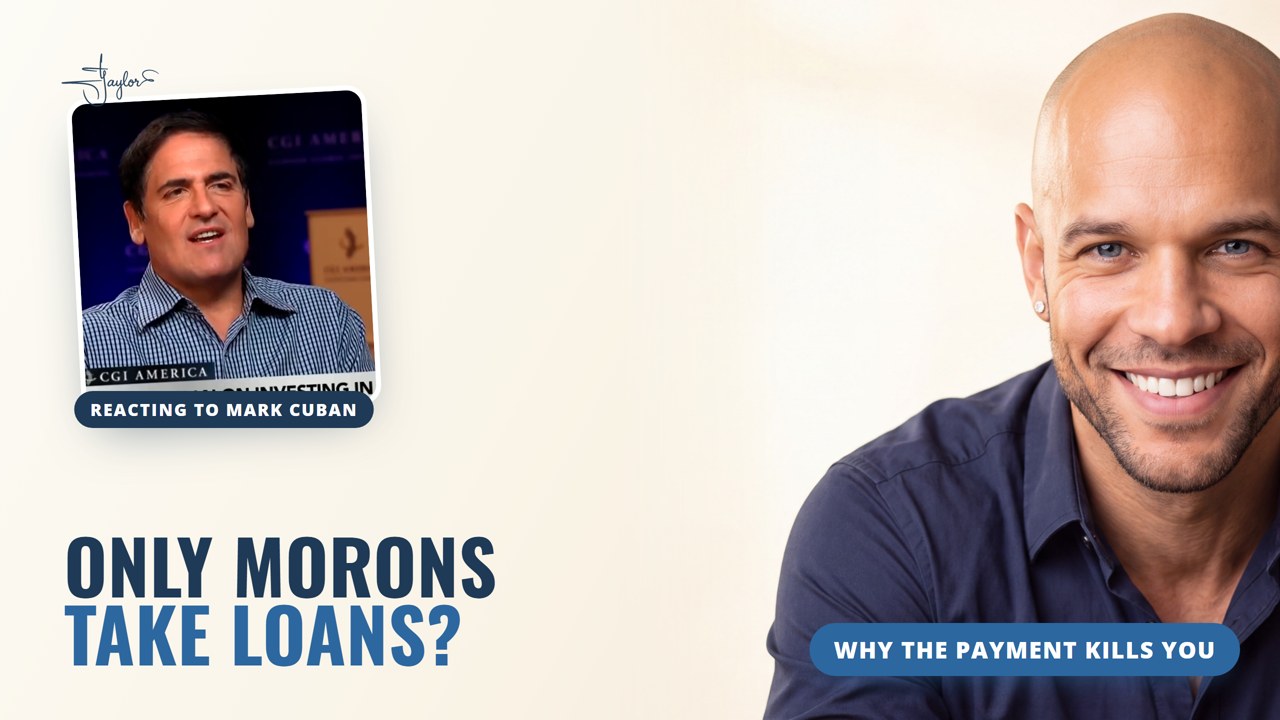 5:45
5:45
Mark Cuban is right about startup loans, and why the payment kills you
Mark Cuban says starting a business on a loan makes you a moron, and he is mostly right. The layer nobody explains: a loan is a fixed obligation strapped to a variable business, and your revenue is variable because everything runs through you. The bank underwrote a payment schedule, not your capacity to deliver.
Watch the breakdown → 5:54
5:54
Gary Vee is right about interest media, and what the views land on
Social became interest media: the algorithm hands your content to strangers and creative earns the reach for free. Gary is right. The operator layer: a view is free until it converts, reach multiplies whatever business you feed it, and capable of 40 posts a day is a systems question, not a stamina question.
Watch the breakdown → 5:42
5:42
His secret is 2,000 customer calls, and yours walk in free
A SaaS founder hit $69,000 a month in two months and credits 2,000 customer calls he had to engineer with a rainbow button. Your front desk gets those conversations free. Three questions, one written line per conversation, one weekly review: the capture system, translated for Main Street.
Watch the breakdown → 7:07
7:07
Dan Martell's 7 upgrades, and the one that pays for them
Hobbies, decision elimination, assistants, investing: genuinely good advice, and every item quietly assumes revenue without you present. The missing upgrade is upgrade zero, a business that runs without you. His own 42 page assistant playbook proves the document comes before the hire.
Watch the breakdown → 6:59
6:59
10 million views saved her restaurant, for exactly one month
A viral video filled Jane's empty dining room, and the food really does score a perfect ten. But a spike is a gift, not a system. Guest capture, a weekly cash forecast, documented recipes, and honest prices are what keep her saved.
Watch the breakdown → 6:11
6:11
He fired his last 2 employees, and what nobody wrote down
A real owner fires his last two employees on camera. The layer the story skips: no written standard, no scorecard, no onboarding, so the failure happened upstream of both firings. One document teaches what months of salary taught.
Watch the breakdown → 7:20
7:20
Hormozi's $7M roadmap, and the delivery layer it skips
Hormozi hands a roofing contractor a $7M roadmap and it works. But every lever in it raises demand, and none of them raise how many roofs get built this week. He even says supply constrained out loud, then waves the fix away as simple.
Watch the breakdown → 6:16
6:16
Why AI won't make you rich, and the part Hormozi skips
Hormozi is right that AI won't make you rich. But leverage only multiplies what is already there, so if the business runs on you, AI just makes you a faster bottleneck. The owner is the constraint.
Watch the breakdown → 7:36
7:36
How to buy a business for $0, and the rule SOWS forgets
The SOWS method, Stale, Old, Weak, Simple, rule by rule, plus the operator's fifth question almost every acquisition guide skips: can it actually run without you?
Watch the breakdown →An operator's lens
on the advice you've seen
Most business content sells the front end: the offer, the acquisition, the growth play. The operating layer underneath, the systems that let it run without its owner, is the part that decides whether any of it lasts. That is what these breakdowns add.